Introduction
Transitioning your feline friend from a lifetime of crunchy kibble to a nutrient-dense wet food diet is one of the best health choices you can make. Many pet parents decide to make this change to improve hydration, support kidney health, and help their cat maintain an ideal body weight. However, sudden dietary changes often trigger painful digestive issues like vomiting, diarrhea, and severe gas. Knowing how to switch cat food from dry kibble to wet food without upset stomach ensures your cat stays comfortable and happy throughout the process. Cats have sensitive gastrointestinal tracts that rely on steady bacterial flora. Introducing a completely new texture and moisture level too quickly can overwhelm their digestive enzymes. By taking a slow, methodical approach, you can protect your cat from tummy troubles and make mealtime their favorite part of the day. This comprehensive guide walks you through every step of a seamless dietary transition.
Why Wet Food Matters for Your Cat
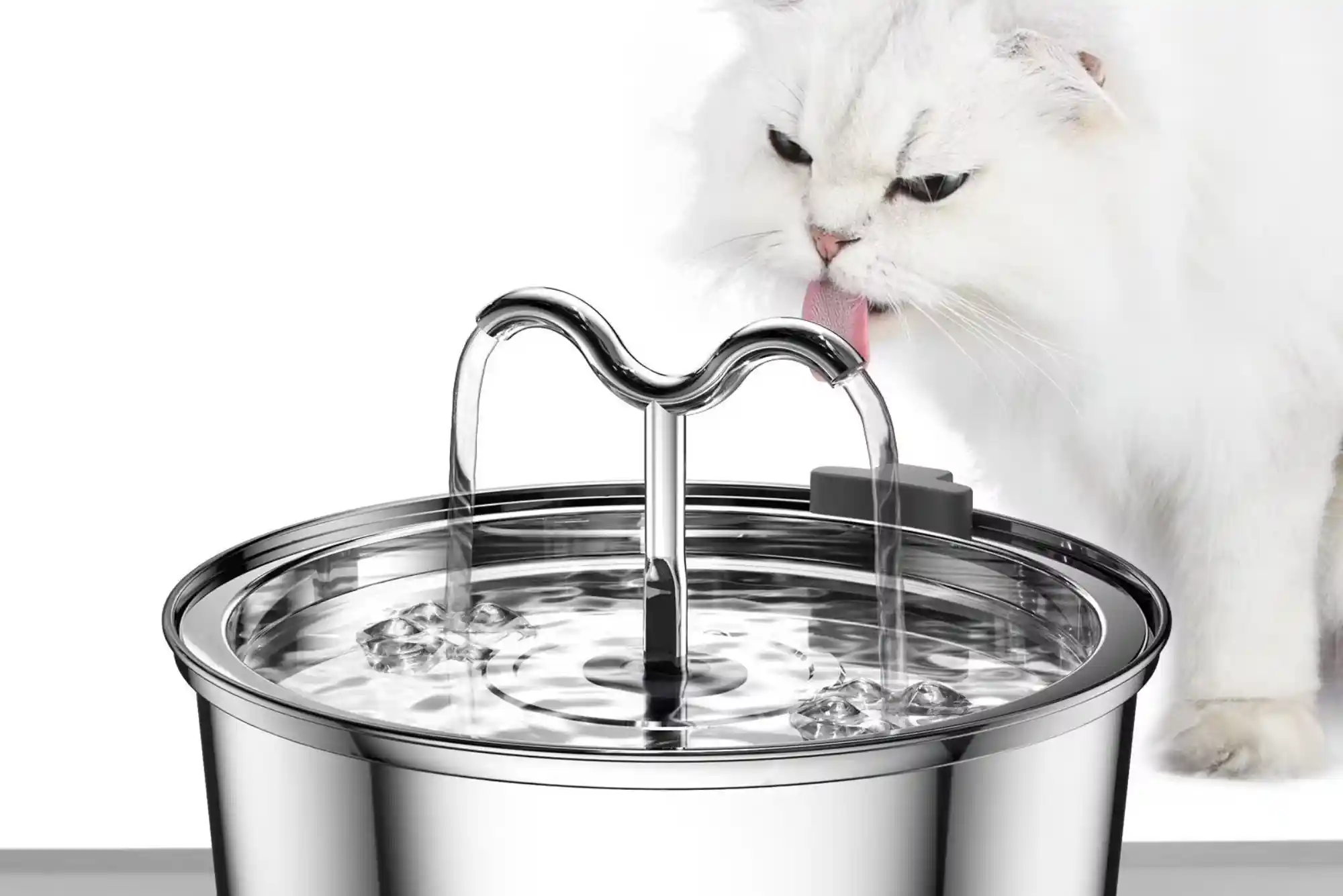
Cats evolved as desert hunters, meaning they get most of their water from their prey rather than a water bowl. Dry kibble typically contains only about ten percent moisture, whereas wet food boasts around seventy to eighty percent hydration. Feeding wet food naturally prevents chronic dehydration, which significantly reduces the risk of urinary tract infections, bladder stones, and kidney disease. Additionally, wet food is much higher in animal protein and lower in unnecessary carbohydrates than most dry kibbles. Carbohydrate overload in cats often contributes to feline diabetes and obesity. By transitioning to a canned diet, you mimic a more biologically appropriate nutritional profile. Cats also tend to feel fuller on fewer calories with wet food because of the high moisture content. Understanding these benefits gives you the motivation needed to push through any picky eating habits your cat might display initially.
Preparing for the Transition Process
Success depends heavily on proper preparation before you even open that first can of wet food. Start by choosing a high-quality canned food that matches your cat’s life stage and specific nutritional requirements. Read ingredient labels carefully to ensure real meat appears as the first few ingredients without excessive plant fillers. Next, invest in shallow, wide ceramic or stainless-steel bowls to serve the new food. Cats dislike when their sensitive whiskers brush against the sides of deep plastic bowls. You should also gather feeding accessories like small spoons, airtight silicone lids, and a kitchen scale if you want to track portions accurately. Set up a quiet, low-stress feeding station away from high-traffic areas, loud appliances, and litter boxes. Eliminating environmental stressors reduces anxiety, which directly minimizes the chances of stress-induced digestive upsets. Preparation sets a solid foundation for a stress-free transition journey.
The Golden Rule of Slow Transitioning
The absolute secret to avoiding digestive distress is patience through a gradual mixing schedule. Never swap your cat’s food overnight, as this shocks their delicate stomach lining and causes immediate gastrointestinal rejection. Instead, spread the transition over a period of seven to fourteen days depending on your cat’s sensitivity. Begin by mixing a tiny fraction of wet food into their usual dry kibble. A ratio of ninety percent dry kibble to ten percent wet food works wonders for the first two or three days. Make sure you mix the two textures thoroughly so your cat cannot easily pick around the wet food. If your cat accepts this initial mixture without any soft stool or vomiting, you can gradually increase the proportion. Move to an eighty-twenty ratio, then a seventy-thirty ratio, slowly building up over two weeks. Taking it slow allows the gut microbiome adequate time to adjust to the new proteins and moisture levels.
Step-by-Step Transition Timeline
Following a structured timeline removes guesswork and helps you monitor your cat’s tolerance at every single stage. During days one through three, use ninety percent dry food and ten percent wet food mashed together. Warm the wet food slightly in the microwave for a few seconds to release enticing aromas that stimulate appetite. For days four through six, shift the balance to seventy-five percent dry food and twenty-five percent wet food. Watch closely for any changes in stool consistency or litter box habits during this phase. On days seven through ten, achieve a fifty-fifty split between the two food types, creating a balanced culinary hybrid. By days eleven through fourteen, reduce the dry food to twenty-five percent while increasing the wet food to seventy-five percent. Finally, by day fifteen, you can serve a hundred percent wet food with total confidence. If at any point your cat develops loose stools, simply step back to the previous successful ratio for a few extra days.
Overcoming Picky Eaters and Texture Resistance
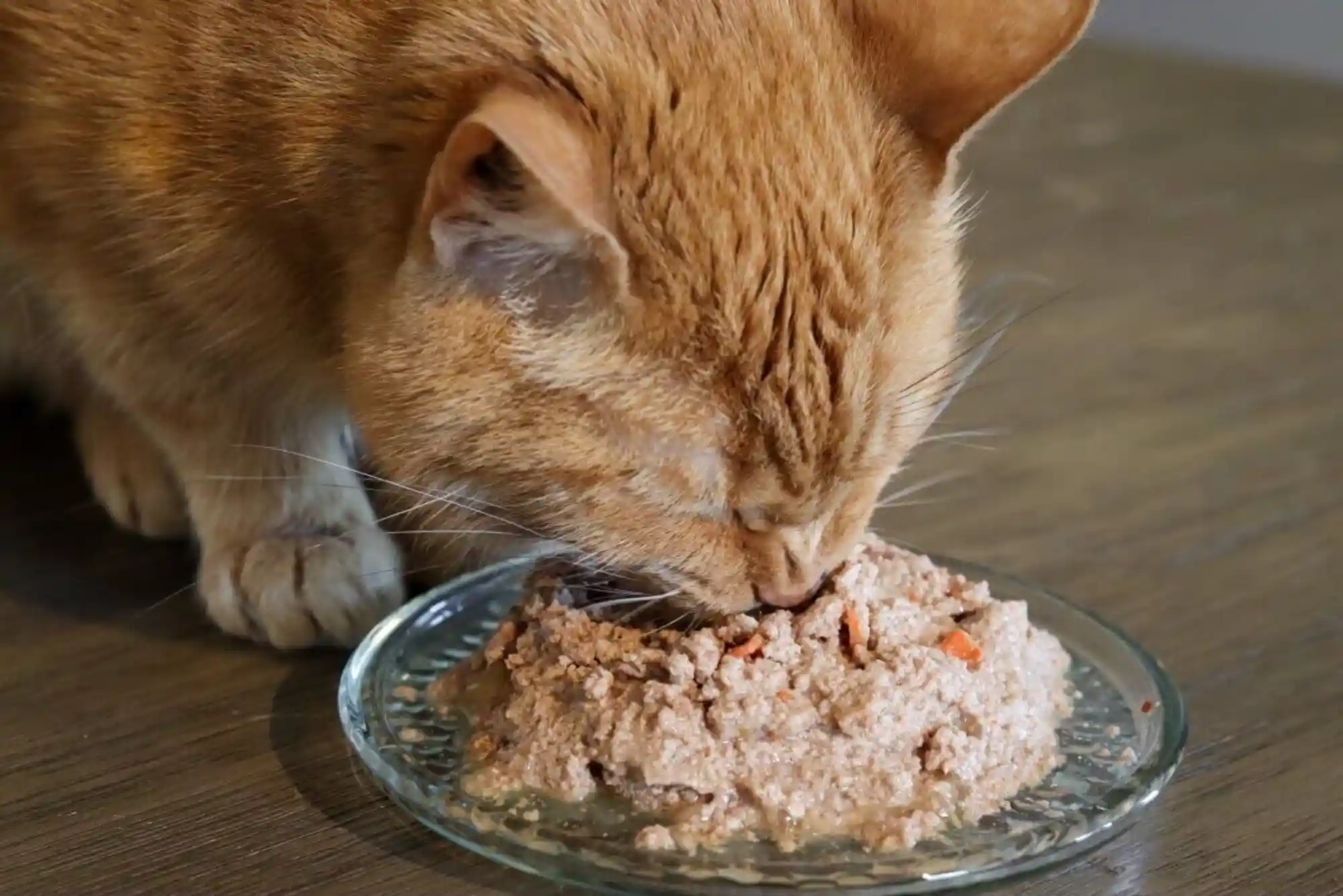
Cats are notorious creatures of habit who form strong psychological attachments to the crunch of dry kibble. When faced with wet food, many cats stare blankly at the bowl or attempt to bury it like cat litter. If your cat resists the new texture, do not panic or rush to give up on the process. Texture aversion is completely normal and requires creative culinary encouragement from you. Try sprinkling a tiny pinch of crushed dry kibble, freeze-dried meat treats, or nutritional yeast over the wet food. The familiar scent and crunch will trigger their predatory curiosity and entice them to take a bite. You can also mix a few drops of warm water or low-sodium bone broth into the wet food to create an appealing gravy. Consistency matters immensely, so serve meals at the exact same times every single day to establish a predictable routine. Patience and positive reinforcement will eventually win over even the most stubborn feline critic.

Monitoring Your Cat for Digestive Distress
As you progress through the dietary transition, vigilantly monitor your cat for any signs of stomach upset. Common warning signs include vomiting, watery diarrhea, decreased appetite, lethargy, and excessive flatulence. A little bit of soft stool during the first couple of days can happen, but persistent diarrhea means you are moving too fast. If your cat shows signs of digestive distress, immediately revert to the last ratio that produced normal stools. Hold that ratio steady for at least four to five days until their digestive system completely stabilizes. Never let a cat go without eating for more than twenty-four hours during a food transition. Prolonged fasting in cats can trigger a dangerous, life-threatening liver condition known as hepatic lipidosis. If your cat outright refuses to eat the mixed food for over a day, consult your veterinarian for safe guidance. Keeping a close eye on their daily litter box habits gives you real-time feedback on how well their body handles the change.
Consulting Your Veterinarian
While most healthy cats transition smoothly with a slow schedule, certain underlying medical conditions require professional veterinary supervision. If your cat suffers from inflammatory bowel disease, chronic pancreatitis, or severe food allergies, a sudden diet change can be hazardous. Your veterinarian can recommend specific prescription wet foods formulated to soothe sensitive stomachs and heal damaged intestinal linings. They can also provide customized transition schedules tailored specifically to your cat’s unique medical history and current weight. Regular check-ups ensure that your cat receives balanced nutrition without developing nutritional deficiencies during the switch. Never hesitate to reach out to your clinic if you notice red flags like blood in the stool or continuous vomiting. Professional guidance protects your cat’s long-term health and gives you peace of mind.
Conclusion
Switching your cat from dry kibble to wet food is a transformative journey that significantly enhances their long-term health and hydration. By understanding the importance of slow transitions, preparing the right feeding environment, and respecting your cat’s pace, you can avoid painful digestive upsets entirely. Remember to take things one small step at a time, monitor litter box habits closely, and use creative toppings if your cat acts picky. Are you ready to give your feline companion the gift of better health today? Start your transition journey tonight by mixing a tiny spoonful of wet food into their evening meal, and share your experiences in the comments below!
Frequently Asked Questions
How long does it take to switch a cat from dry food to wet food?
The transition typically takes between seven to fourteen days. However, extremely picky cats or those with sensitive stomachs may require three to four weeks to fully adapt to the new diet without experiencing digestive issues.
What should I do if my cat refuses to eat wet food?
If your cat refuses wet food, try warming it slightly to enhance the aroma, or mix in a small amount of warm water, bone broth, or crushed dry kibble toppers. Never starve your cat to force acceptance, as cats must eat daily to avoid dangerous liver complications.
Can I mix dry kibble and wet food in the same bowl?
Yes, mixing dry kibble and wet food together in the same bowl is the most effective method for a smooth transition. It allows your cat to experience both textures simultaneously while gradually getting used to the moisture and flavor of the wet food.
What are the signs that my cat’s stomach is upset by the new food?
Signs of an upset stomach include vomiting, watery or soft diarrhea, decreased appetite, lethargy, gurgling sounds in the abdomen, and reluctance to approach the food bowl. If these symptoms appear, slow down the transition pace immediately.