Introduction
Introducing two adult dogs can feel stressful, especially when you are unsure how they will react. However, careful preparation can make the first meeting much calmer. The goal is not to force friendship immediately. Instead, focus on creating a safe experience where both dogs can remain comfortable.
Learning how to introduce two adult dogs on neutral territory without fighting starts with understanding canine body language. Dogs communicate through posture, movement, facial expressions, scent, and vocalizations. A rushed introduction can increase tension, while a controlled meeting gives both dogs time to adjust.
Neutral territory is particularly useful because neither dog feels responsible for defending a familiar space. A quiet park, open walking path, or other unfamiliar outdoor area can work well. With suitable handling and patience, the dogs can gradually become comfortable around each other.
Why Neutral Territory Matters
Dogs can become protective of familiar spaces. A home, yard, crate area, or favorite sleeping location may carry strong territorial associations. Bringing an unfamiliar adult dog directly into that environment can create unnecessary pressure.
Neutral territory removes some of those triggers. Both dogs enter an environment that belongs to neither one. Therefore, neither dog has an obvious territorial advantage.
When considering how to introduce two adult dogs on neutral territory without fighting, choose somewhere relatively quiet. Avoid crowded dog parks where unfamiliar dogs can suddenly approach. A calm walking trail or spacious outdoor area is usually easier to control.

The location should also provide enough room for both handlers to move apart. Avoid narrow paths, enclosed corners, elevators, or other spaces where either dog could feel trapped.
Prepare Before the First Meeting
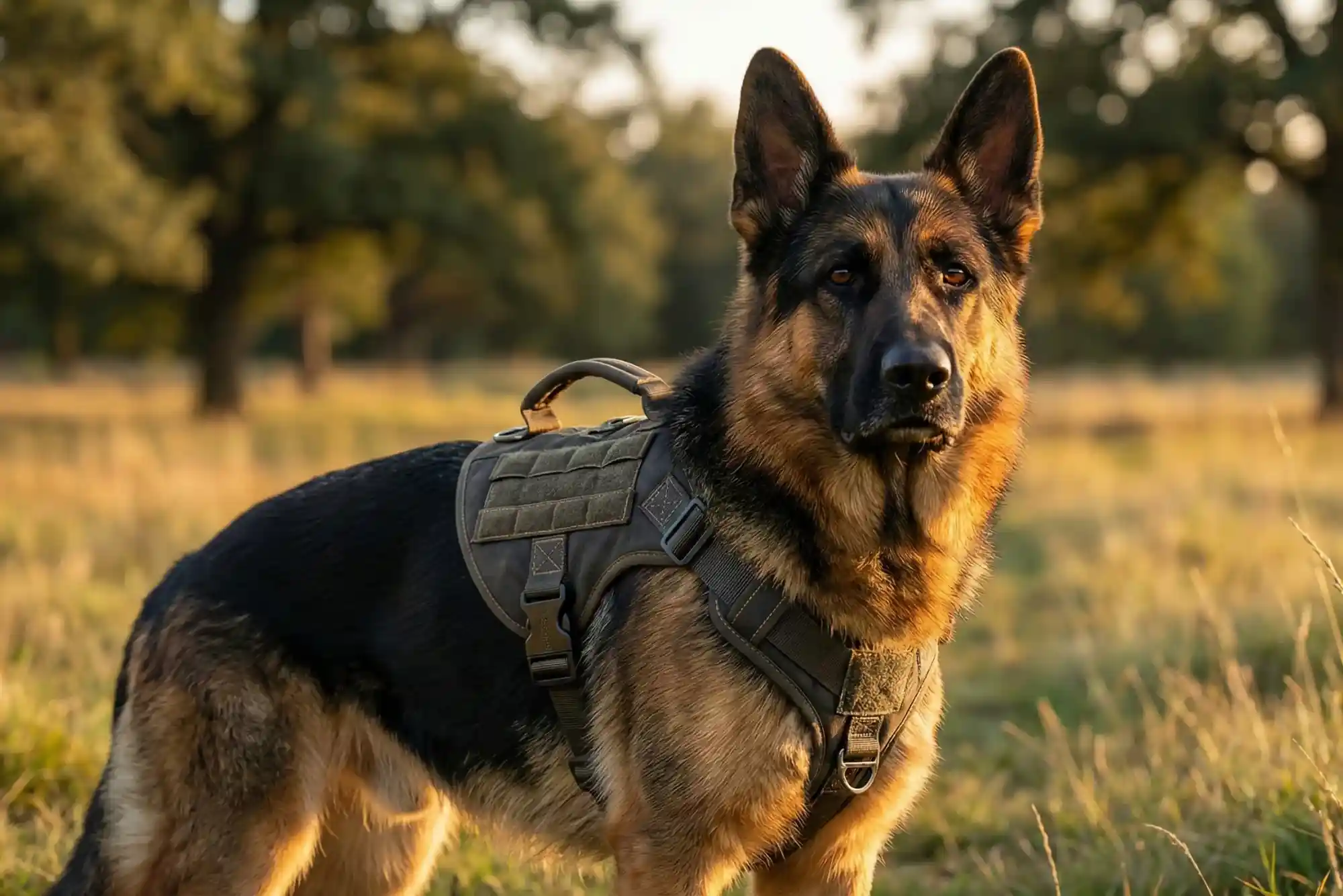
Preparation begins before the dogs see each other. Each dog should have a secure, properly fitted collar or harness and a standard leash. Avoid retractable leashes during the first introduction because controlling distance can become difficult.
It is also helpful to bring small, high-value treats. Treats can reward calm behavior and create positive associations. However, avoid scattering food between the dogs because competition can develop.
Both handlers should understand the plan beforehand. Decide who will handle each dog and agree on where you will walk. Calm human behavior matters because dogs can respond to tension through leash pressure and body language.
Before meeting, give each dog enough exercise to reduce excess excitement. However, avoid exhausting either dog. A relaxed walk is more useful than intense exercise immediately before the introduction.
Begin With Distance
One of the most important principles in how to introduce two adult dogs on neutral territory without fighting is starting slowly.
Do not immediately walk the dogs directly toward one another. Instead, begin with substantial distance between them. Each dog should be able to notice the other without becoming overwhelmed.
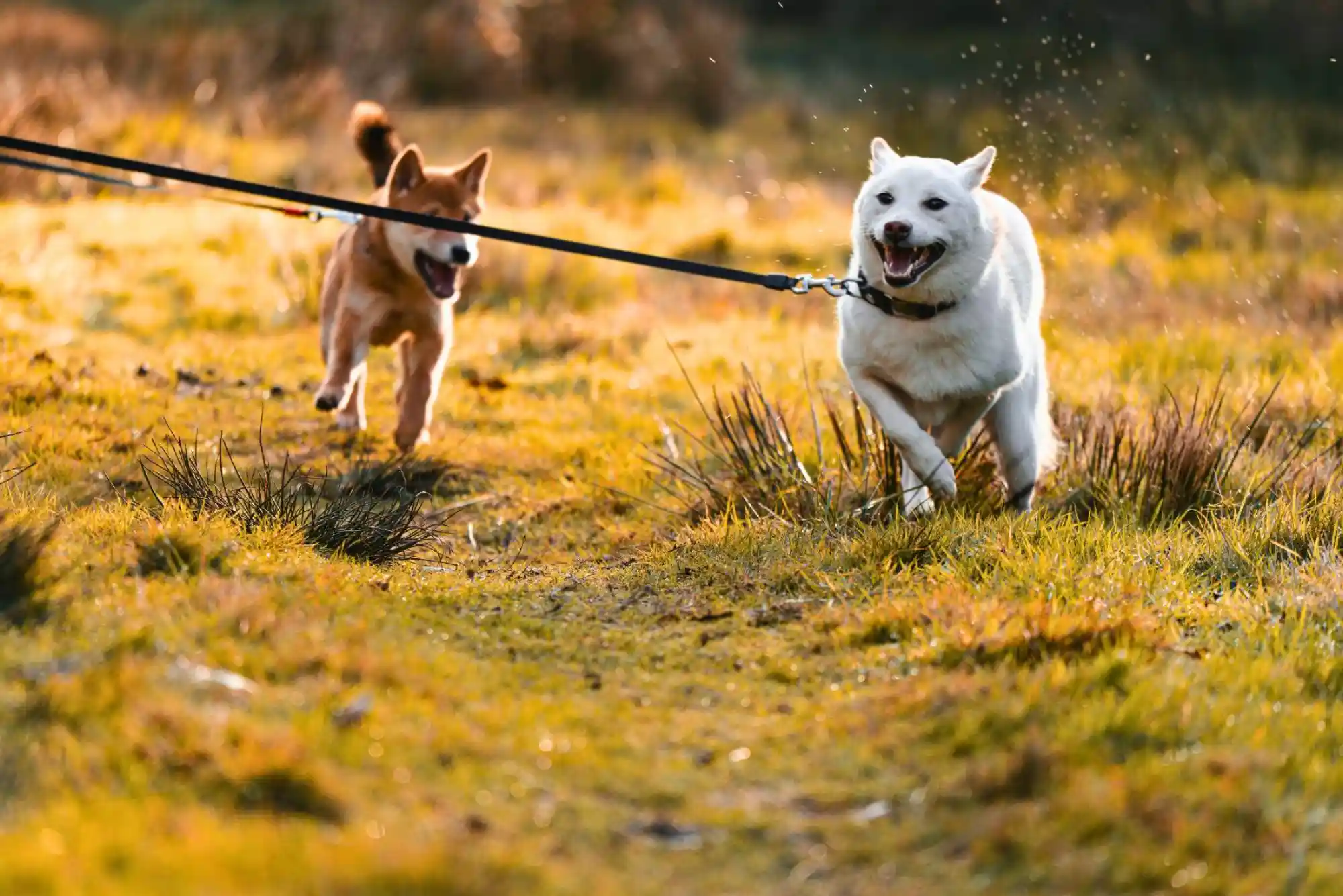
Walk in the same general direction. Keep the dogs far enough apart that their bodies remain relaxed. Reward calm behavior with quiet praise or treats.
At this stage, you are teaching the dogs that seeing another dog does not require confrontation. Allow them to observe, sniff, and continue walking.
Gradually reduce the distance only when both dogs remain comfortable. If either dog becomes tense, increase the distance again.
Watch Their Body Language
Knowing canine body language is essential when introducing adult dogs. Friendly curiosity often looks different from fear, frustration, or aggression.
A relaxed dog may have a loose body, natural movement, and soft facial expression. The dog may briefly look at the other dog before looking away. Sniffing the ground can also indicate normal information gathering.
On the other hand, prolonged staring can signal rising tension. A stiff body, raised hackles, closed mouth, freezing, growling, or repeated lunging requires attention.
Do not punish warning signals such as growling. A growl communicates discomfort. Instead, calmly create more distance and reduce the pressure.
Learning how to introduce two adult dogs on neutral territory without fighting means responding to these signals before they become bigger problems.
Use Parallel Walking
Parallel walking is often an effective way to introduce unfamiliar adult dogs. The dogs walk in the same direction while maintaining a comfortable distance.
This approach reduces direct social pressure. Neither dog has to stand face-to-face with the other. Instead, both dogs can move naturally while gradually becoming accustomed to each other’s presence.
As their comfort increases, slowly reduce the distance. Keep walking rather than stopping suddenly.
If both dogs appear relaxed, you can eventually allow brief periods of closer interaction. However, there is no need to rush.
The dogs do not need to play during their first meeting. Calmly walking together can be a successful introduction by itself.
Allow a Brief Sniff
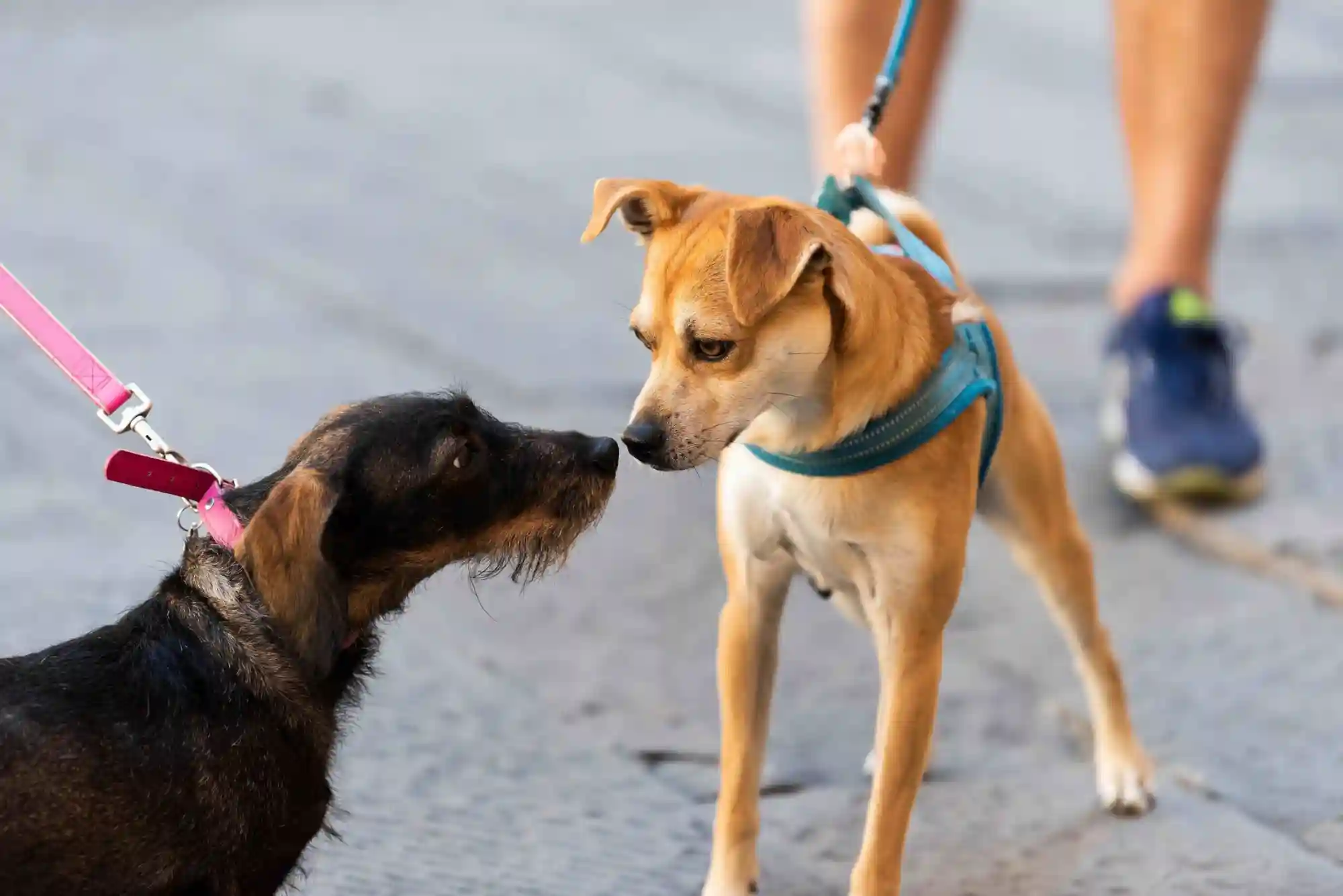
Once both dogs demonstrate relaxed behavior, allow a short greeting. Keep the leashes loose whenever possible. Tight leash pressure can increase frustration or make a dog feel restrained.
Allow the dogs to approach from an angle rather than forcing them nose-to-nose. A brief sniff is enough initially.
After a few seconds, calmly call the dogs away and continue walking. This prevents the interaction from becoming too intense.
If the dogs voluntarily return for another calm interaction, allow another short greeting. Several brief positive encounters are often easier than one prolonged encounter.
This gradual method is central to how to introduce two adult dogs on neutral territory without fighting.
Avoid Common Introduction Mistakes
Many problems occur because owners move too quickly. They may assume that two friendly dogs should immediately play together. However, adult dogs have different personalities, experiences, and communication styles.
Avoid forcing the dogs to interact. Never hold one dog close while the other approaches. Do not allow children to participate in the initial introduction.
Avoid tightening the leash unnecessarily. Constant restraint can increase frustration and make natural communication harder.
It is also important not to punish barking, growling, or other warning behaviors during the meeting. Instead, create space and identify what caused the discomfort.
Finally, avoid judging success by whether the dogs play. Calm coexistence is a much more useful first goal.
What If One Dog Growls?
A growl does not automatically mean the introduction has failed. It means the dog is communicating that something feels uncomfortable.
Immediately create additional distance. Continue walking if both dogs can remain calm. If the dog continues showing intense stress, end the interaction.
Never force the dogs closer after a warning. Repeatedly exposing a stressed dog without enough distance can increase fear or frustration.
The next introduction may need to begin farther apart. You can also shorten the sessions and use more frequent calm walks.
If either dog has a history of serious aggression, professional guidance from a qualified veterinary behaviorist or experienced reward-based behavior professional is appropriate.
Moving the Dogs Into the Home
Once the dogs can calmly walk near each other, you can consider bringing them home together. Do not assume that success outdoors guarantees complete harmony indoors.
Start by taking them for another short walk before entering the house. This helps transition them from the neutral meeting into a shared environment.
Inside, remove potential conflict triggers. Put away valuable toys, bones, and food bowls initially. Provide separate resting areas so each dog has somewhere to relax.
Supervise interactions carefully during the first several days. Even dogs that appear comfortable outside may behave differently around food, furniture, sleeping areas, or human attention.
Give both dogs individual time with their owners. This reduces competition and helps maintain their normal routines.
Give the Dogs Time to Adjust
A successful introduction is not a single event. Dogs may need days or weeks to develop a stable relationship.
Some adult dogs become close companions. Others simply learn to coexist peacefully. Both outcomes can be perfectly workable.
Continue using positive reinforcement whenever the dogs behave calmly around one another. Reward relaxed body language, appropriate disengagement, and quiet shared activities.
Do not force interaction when one dog wants space. Respecting boundaries can prevent unnecessary conflict.
Gradually introduce shared activities as the dogs become more comfortable. Walks, supervised relaxation, and calm training sessions can help build positive experiences.
When Professional Help Is Necessary
Some situations require more than a standard introduction. Seek professional assistance if either dog has previously caused serious injury, repeatedly attacks other dogs, or cannot remain calm even at a significant distance.
Professional support is especially valuable when one dog displays persistent lunging, intense fixation, repeated snapping, or severe fear.
A veterinarian can also help identify medical issues that may contribute to irritability. Pain and other health problems can affect a dog’s tolerance and behavior.
The goal is not simply to make the dogs tolerate each other during one meeting. It is to create a safe long-term relationship.
Frequently Asked Questions
How long does it take for two adult dogs to get along?
There is no universal timeline. Some dogs become comfortable within several meetings, while others need weeks or longer. Their history, temperament, age, and previous experiences can influence the process.
Should dogs meet on neutral territory?
Yes, neutral territory can reduce territorial pressure. A quiet outdoor location gives both dogs space to move and disengage. However, the location should be controlled and free from unnecessary distractions.
How do you introduce two dogs without them fighting?
Start at a comfortable distance and use parallel walking. Watch body language carefully and reward calm behavior. Allow brief greetings only when both dogs appear relaxed.
Should I let my dogs sniff each other?
Yes, brief sniffing can be a normal part of canine introductions. Keep the interaction short and supervised. Allow either dog to disengage rather than forcing continued contact.
What should I do if my dog growls at another dog?
Increase the distance and allow your dog to calm down. Do not punish the growl. If intense reactions continue, stop the session and seek professional behavioral guidance.
Conclusion
Understanding how to introduce two adult dogs on neutral territory without fighting requires patience, preparation, and careful observation. The safest approach begins with distance and progresses gradually.