
Introduction
Receiving a feline diabetes diagnosis for your cat can feel overwhelming at first. Many cat owners feel anxious about giving daily injections and choosing correct foods. Understanding feline diabetes symptoms, insulin care, and low-carb wet food meal plans gives you clear actionable steps to help your cat thrive. Diabetes is manageable when caught early and treated with a consistent daily routine.
Establishing a supportive partnership with your veterinarian makes the journey much smoother for both you and your pet. Modern treatments and specialized diets allow diabetic cats to maintain excellent health and high energy levels. With patience and proper daily attention, you can help your cat lead a comfortable, normal, and happy life.
Understanding Feline Diabetes Symptoms, Insulin Care, and Low-Carb Wet Food Meal Plans
Feline diabetes is a metabolic condition where a cat cannot produce enough insulin or use it properly. When insulin function fails, glucose remains in the blood rather than entering cells for energy. Early recognition of warning signs helps prevent severe health complications like diabetic ketoacidosis.
Increased thirst and excessive urination are usually the first signs owners notice in daily life. You might clean the litter box more frequently or notice larger clumps of wet litter. Cats often drink water constantly from unusual places like running faucets or sinks to compensate for dehydration.
Recognizing Early Signs of Diabetes in Cats
Increased appetite combined with unexpected weight loss is another classic warning sign of diabetes. The body cannot convert food into usable energy, leaving your cat perpetually hungry. Despite eating constantly, the body breaks down muscle and fat stores to survive.
Lethargy and decreased activity levels often accompany high blood sugar levels. Your cat may stop jumping onto high furniture or play less frequently than before. Weakness in the hind legs, known as diabetic neuropathy, causes a flat-footed walking stance that requires prompt veterinary attention.

Mastering Feline Diabetes Symptoms, Insulin Care, and Low-Carb Wet Food Meal Plans
Insulin therapy replaces the missing hormone and brings elevated blood sugar back into safe ranges. Your veterinarian will prescribe a specific insulin type suited to your cat’s unique biological needs. Common types include glargine, PZI, and lente insulin formulations tailored for feline care.
Establishing a consistent daily injection schedule is essential for long-term blood sugar stability. Most cats require two injections daily, spaced exactly twelve hours apart. Giving injections at the same times every day prevents dangerous sugar spikes and unpredictable drops.
Administering Insulin Safely at Home
Proper storage and handling preserve the effectiveness of your cat’s insulin over time. Most insulin types require refrigeration and gentle handling to avoid breaking delicate protein chains. Never shake insulin bottles vigorously unless specifically directed by your veterinarian.
Injecting insulin is much simpler than most cat owners initially expect. You will pinch a loose fold of skin along the shoulders to form a gentle tent. Insert the small needle smoothly into the skin tent and press the plunger completely.
Low-Carb Wet Food Meal Plans for Diabetic Cats
Dietary management is equally important as insulin therapy when treating feline diabetes. Cats are obligate carnivores designed to process protein and fat rather than heavy carbohydrates. High-carbohydrate dry kibble often triggers rapid blood sugar spikes and contributes to insulin resistance.
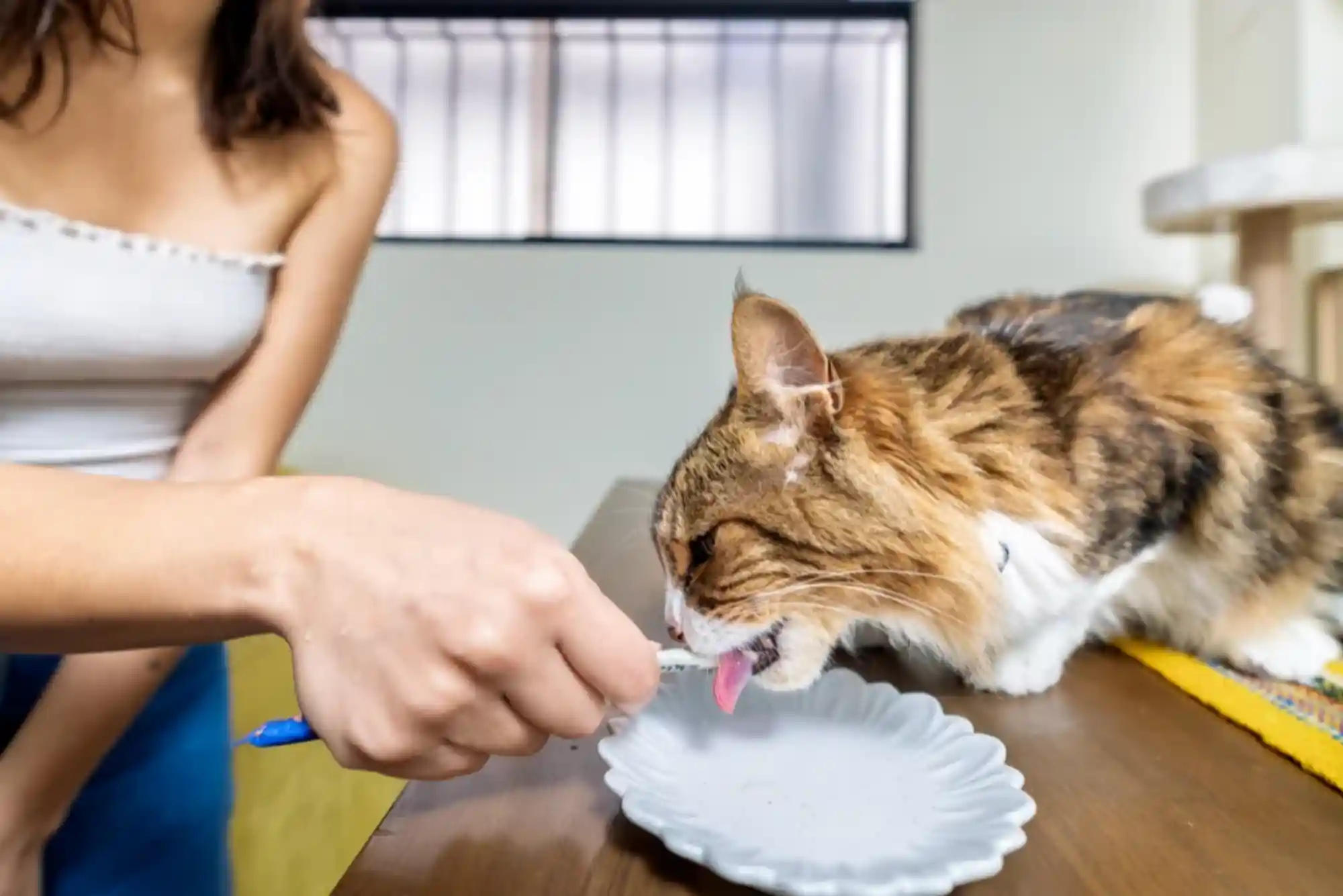
Transitioning to low-carbohydrate wet food helps regulate blood glucose naturally. Wet canned food provides high protein, necessary moisture, and minimal carbohydrates. Ideally, a diabetic cat’s diet should contain less than ten percent carbohydrates on a dry matter basis.
Implementing the New Diet and Schedule
Transitioning food slowly over several days prevents gastrointestinal upset and food aversion. Gradually mix small amounts of low-carb wet food into current meals over ten days. Never force a rapid diet change if your cat refuses to eat new food.
Portion control prevents obesity and supports consistent blood sugar management overall. Calculate daily caloric requirements based on your cat’s target healthy body weight. Divide daily food portions equally to match your twice-daily insulin injection schedule.
Frequently Asked Questions
Can feline diabetes be cured completely?
Feline diabetes cannot be cured, but many cats achieve diabetic remission with proper treatment. Remission means blood sugar stays normal without daily insulin injections. Early dietary changes and prompt insulin care greatly increase remission chances.
How often should a diabetic cat eat?
Diabetic cats typically eat two primary meals aligned with their insulin injections. Feeding your cat right before injecting insulin ensures food is present to absorb incoming insulin safely. Small low-carb snacks between meals are acceptable if recommended by your vet.
Why is dry food bad for diabetic cats?
Dry kibble requires high starch concentrations to hold its shape during manufacturing. These carbohydrates break down into sugar, causing rapid blood glucose spikes. Wet canned foods offer lower carbohydrate counts and superior hydration for diabetic cats.
What should I do if my cat refuses to eat before insulin?
Never give a full dose of insulin if your cat refuses to eat meals. Administering insulin on an empty stomach can cause dangerous low blood sugar levels. Contact your veterinarian immediately for guidance on adjusting or skipping the dose safely.
Conclusion
Managing feline diabetes symptoms, insulin care, and low-carb wet food meal plans requires dedication, patience, and consistency. Recognizing early symptoms like increased thirst and weight loss ensures timely veterinary care. Combining accurate insulin administration with low-carbohydrate wet food provides the best foundation for health.