Introduction
Feline chin acne is a frustrating skin condition that troubles many cats. It manifests as small blackheads or pimples on your cat’s chin. Left untreated, it can turn into painful swollen pustules and bacterial infections. Many cat owners blame food allergies or poor grooming habits. However, the food and water bowls are often the true culprits. Plastic bowls develop tiny scratches over time with normal daily use. Bacteria, food particles, and slime thrive inside these microscopic crevices. Every time your cat drinks water, their chin rubs against this bacteria. This continuous exposure triggers local skin irritation and stubborn breakouts. Switching to alternative materials provides an immediate and effective remedy. Understanding this root cause helps protect your cat from chronic discomfort.
Many pet owners overlook the impact of everyday dish materials. Plastic items degrade under UV light and regular dishwasher cycles. As the plastic breaks down, tiny pores open up. These pores trap saliva, oils, and bacteria from the ambient air. No amount of manual wiping can sterilize a degraded plastic bowl. Cats with lower immune systems suffer even worse outbreaks from this exposure. Transitioning away from plastic is the single best step you can take. Your cat will experience immediate relief from chronic chin irritation.
Why Stainless Steel Beats Plastic and Ceramic Bowls
Material selection is vital when protecting your sensitive feline friend. Plastic is cheap, but it degrades quickly and harbors stubborn pathogens. Even regular scrubbing and hot water cannot eliminate bacteria trapped in deep scratches. Ceramic bowls seem like a better choice at first glance. However, low-quality ceramic glazes can crack or contain harmful heavy metals like lead. Stainless steel completely eliminates these health and hygiene concerns. The surface is completely non-porous and smooth. Bacteria find no place to hide on a quality stainless steel surface. Furthermore, stainless steel does not absorb unpleasant odors or residual flavors. Your cat enjoys fresh, clean water with every single sip. Investing in stainless steel is a smart choice for long-term health.
Durability is another major advantage of choosing stainless steel containers. Unlike ceramic bowls, stainless steel will not shatter if dropped on hard tile. This makes outdoor or kitchen placement much safer for busy households. High-grade stainless steel resists rust and corrosion over years of use. It withstands high dishwasher temperatures without warping or losing structural integrity. Veterinary dermatologists consistently recommend stainless steel for acne-prone pets. You gain peace of mind knowing your pet drinks from medical-grade quality.
The Crucial Link Between Running Water and Hydration
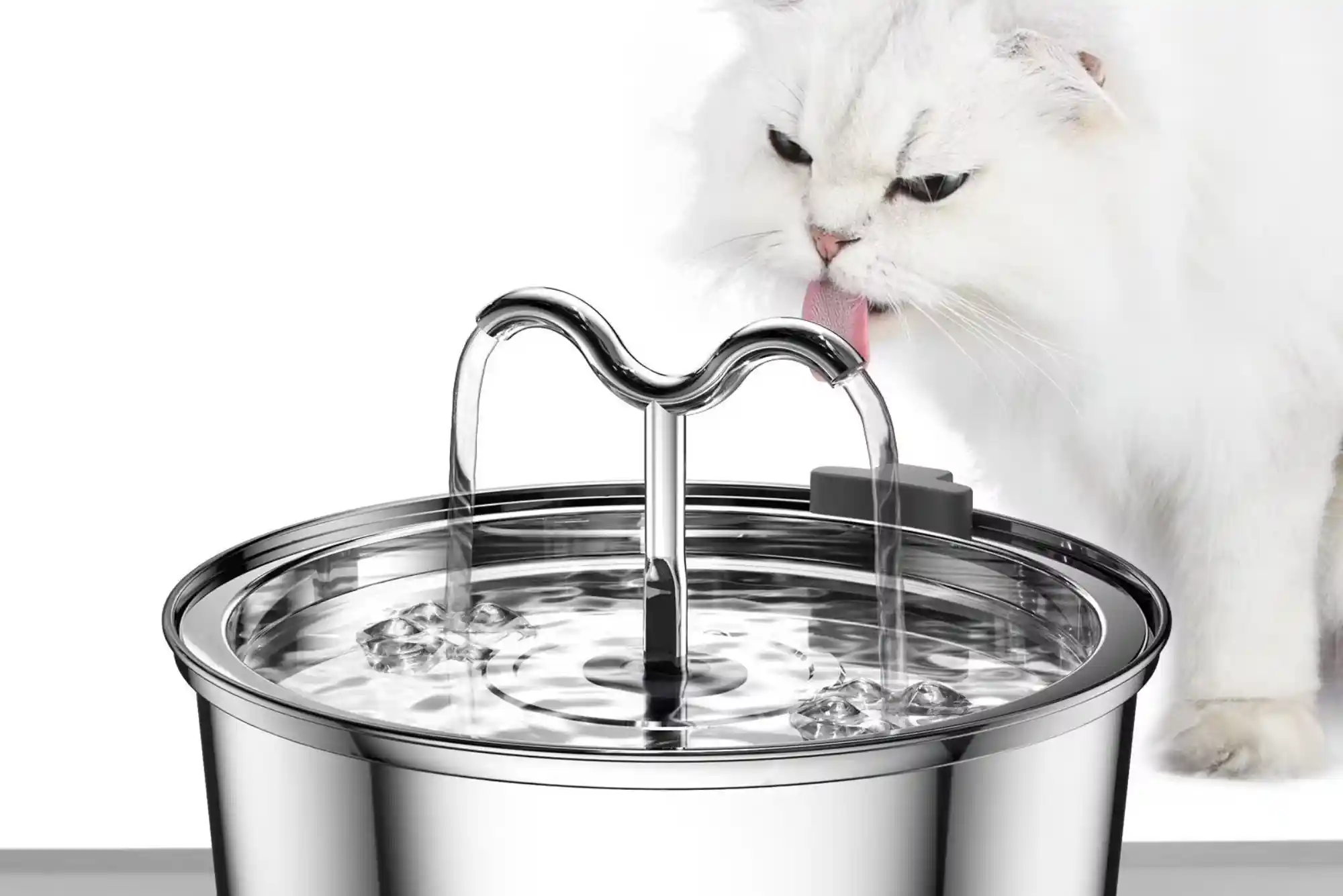
Cats have a notoriously low thirst drive compared to other domestic animals. Wild felines historically get most moisture from their live prey. House cats eating dry kibble often suffer from chronic low-grade dehydration. Dehydration can lead to severe kidney disease and painful urinary tract issues. Flowing water triggers a cat’s natural predatory hunting instincts. Moving water looks alive, fresh, and safe to drink. A high-quality fountain keeps water oxygenated and moving constantly. This encourages your cat to visit the water station much more frequently. Increased water intake flushes out toxins and protects kidney function. Combining motion with a hygienic material solves two major feline health challenges at once.
Many indoor cats refuse stagnant water sitting quietly in a bowl. Stagnant bowls quickly collect floating dust, stray hairs, and insect debris. Running fountains utilize continuous circulation to filter out these unwanted particles. The sound of gentle bubbling also attracts curious cats from across the room. Hydration becomes an engaging activity rather than a boring chore. Owners notice dramatic improvements in urinary health within weeks of switching. Keeping your cat properly hydrated adds years of joyful companionship.

Key Features to Look for in a Quality Fountain
Shopping for the right water fountain requires careful attention to detail. Motor noise is a primary factor to consider before making a purchase. A loud, buzzing motor will scare your cat away immediately. Look for ultra-quiet submersible pumps that operate in total silence. Ease of cleaning is another critical factor for busy pet parents. Fountains with complex internal corners and tiny tubes become frustrating chores. Smooth basins and dishwasher-safe components make maintenance effortless. Filtration systems also deserve a close look from every buyer. Multi-stage carbon filters remove hair, dust, and unpleasant chemical tastes. Choosing a thoughtful design ensures hassle-free ownership for years.
Power safety features deserve equal consideration when buying a fountain. Low-voltage USB pumps prevent accidental electrical hazards in your home. Automatic shut-off sensors protect the motor if the water level runs dry. Transparent water level windows let you check reserves at a single glance. Every single design element impacts your daily pet parenting routine. Investing in a feature-rich fountain saves time and reduces household stress.
Top Stainless Steel Water Fountains on the Market
The PetSafe Drinkwell Avalon ceramic fountain is popular, but stainless steel options lead the market. The Pioneer Pet Raindrop fountain offers a sleek sloping design that cats adore. Its stainless steel bowl prevents chin acne while looking modern in your kitchen. Another stellar option is the Veken Stainless Steel Cat Water Fountain. It features a visible water level window and a smart triple-filtration system. The Pagoda style fountains also provide multiple drinking levels for multi-cat households. Each of these models prioritizes hygiene, safety, and continuous water flow. Selecting one of these top-tier choices guarantees superior hydration and skin protection.
Popular brands also offer dishwasher-safe components for effortless weekly cleaning. Reviewing user experiences helps identify models with long-lasting pump motors. Avoid models with excessive hidden crevices where mold hides easily. Prioritize straightforward construction and durable food-grade materials. Your cat will thank you with enthusiastic daily drinking sessions.
Evaluating Capacity and Household Size
Household size dictates the ideal water fountain capacity for your home. Single-cat homes do well with a compact sixty-ounce water capacity. Multi-cat households require much larger reservoirs to prevent running dry. A larger basin ensures fresh water remains available throughout the busy workday. Refilling a tiny fountain multiple times daily quickly becomes exhausting. Assessing your cats’ daily drinking habits helps guide this specific decision.
Assessing Filtration Technology and Maintenance
Filtration quality dictates how often you need to perform deep cleaning. Activated carbon filters trap debris, hair, and chlorine effectively. Ion exchange resins soften hard water and prevent mineral buildup. Replacing these filters every two to four weeks maintains optimal water purity. Skipping filter changes allows slime and bacteria to multiply rapidly. Consistent maintenance guarantees that the fountain remains safe for sensitive chins.
Transition Guide for Your Cat
Introducing a new water fountain can sometimes cause initial hesitation. Cats are creatures of habit who dislike sudden environmental changes. Start by placing the new fountain near their old water bowl. Leave both options running simultaneously for the first few days. Keep the fountain turned off initially if your cat is extremely timid. Once they investigate the stationary basin, plug the pump in gently. Never force your cat or push their face toward the water. Patience ensures a smooth transition to their new healthy hydration station.
Some cats enjoy playing with the stream before actually drinking. Place a waterproof mat underneath the fountain to protect your flooring. Encourage curious sniffing with gentle praise and tasty treats. Most cats adapt fully within four to seven days of introduction. Consistency and patience make all the difference during this adjustment period.
Daily Cleaning Habits to Prevent Bacteria Growth
Even the finest stainless steel fountain requires regular routine cleaning. Biofilm forms naturally in pet water bowls after a few days. Empty the entire reservoir and scrub all surfaces every three to four days. Wash the internal pump parts to prevent hair clogging and motor burnout. Use pet-safe soap and rinse thoroughly to remove chemical residues. Maintaining this simple schedule stops chin acne bacteria in its tracks. Your diligence rewards your beloved cat with pristine drinking water.
Neglecting routine maintenance leads to mineral buildup and sluggish water flow. Keep spare filters and replacement pumps handy for routine upkeep. Regular upkeep prolongs the operational lifespan of your fountain investment. Healthy water habits create a thriving environment for your furry family members.
Frequently Asked Questions
Can stainless steel fountains completely stop feline chin acne?
Stainless steel eliminates the primary bacterial breeding ground caused by scratches. While individual cat genetics and food sensitivities play a role, switching materials prevents recurrence.
How often should I clean my cat water fountain?
You should empty, wash, and refill your cat water fountain every three to four days. Regular cleaning prevents slimy biofilm and harmful bacteria accumulation.
Why is my cat afraid of the new water fountain?
Cats are naturally cautious about unfamiliar objects and unfamiliar sounds. Introducing the fountain slowly and keeping it unplugged initially helps reduce their anxiety.
Are stainless steel fountains dishwasher safe?
Most high-quality stainless steel bowls and basins are completely dishwasher safe. Always check the manufacturer manual to ensure the pump motor is removed first.
Conclusion
Prioritizing your cat’s health involves making mindful choices about everyday items. Feline chin acne and dehydration are completely preventable health concerns. Upgrading to a hygienic option makes a remarkable difference in daily wellness. Take action today and explore our recommended collection of stainless steel fountains to keep your cat thriving.